The MOST IMPACTFUL Cause Programs Aren’t Built By Brands. They’re Built By Communities.
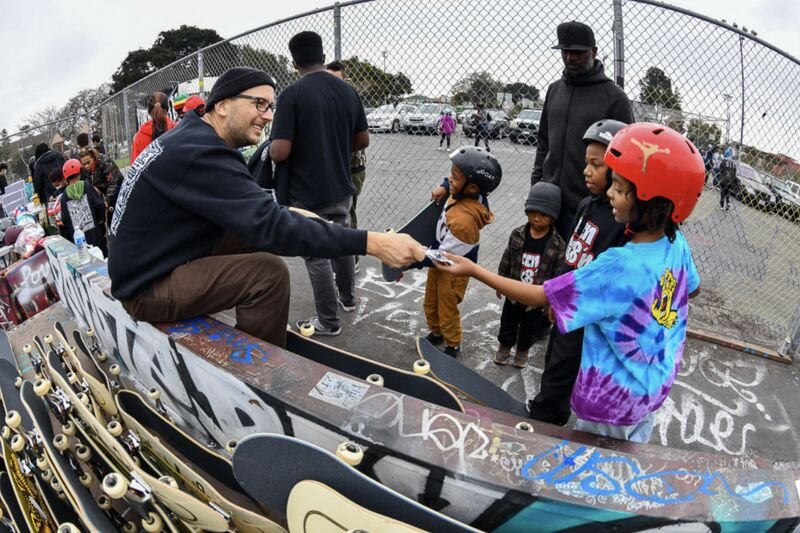
Photo courtesy of Super Skate Posse
What a cause program without direction taught me about getting it right — and what MusiCares, Surfrider, Waves for Water, and Super Skate Posse all have in common.
Early in my marketing career I inherited a cause program at a well-known consumer brand. It was well intentioned but never really found its footing. No clear focus. No consistent community ownership. And if I am being honest, it was funded with whatever was left after the real budget decisions had already been made. Which in some ways made sense. The brand had bigger issues that needed attention first.
But the deeper problem was not the budget. It was the strategy. The program was built around a brand tagline, not around a community. We were performing generosity rather than expressing it. And when we eventually developed a new brand purpose built around inspiring young people on their journey of self-discovery, it became clear the cause platform had to change too. You cannot bolt cause marketing onto a brand. It has to grow from the same root.
A charity shouldn’t have to find its community. It needs to embrace the community it came from.
That realization sent me back to the organizations I have always personally supported. Not because someone told me to. Because I believe in them. And when I looked at what they all had in common, the pattern was impossible to miss.
MusiCares was built by the music industry, for the music industry. Musicians taking care of musicians. When a music professional hits a crisis — financial, medical, personal — there is an organization made up of people who understand exactly what that life is like, because they are living it too. I am a lifelong drummer who spent many years playing in bands that could have used help from an organization like MusiCares.
The Surfrider Foundation started in 1984 when a handful of surfers in Malibu decided to fight back against threats to their local break. Not because they were environmentalists looking for a cause. Because they were surfers who were passionate about surfing. That origin story is everything. Forty years later they mobilize 40,000 volunteers annually because the community ownership never changed. Surfers protect the ocean because it is theirs.
Waves for Water was founded by pro surfer Jon Rose, who started showing up in disaster zones with portable water filters after the 2010 Haiti earthquake. No corporate backing. No brand strategy. Just a surfer who understood the importance of clean water and decided to do something about it. The credibility of the organization lives entirely in that personal commitment. Jon Rose did not recruit people into caring. He showed up and his surfing community followed.
Super Skate Posse is the one that resonates most deeply with the brand work I described above. Founded by Chris Nieratko, a longtime skater and skate media legend, the organization provides skateboards, equipment, and instructions to underserved communities that do not have access to affordable skate equipment or coaches. Chris did not wake up one day and decide kids needed skateboards. He is a lifer in skate culture who looked at a community he loves and figured out how to bring more people into it by removing the cost barrier of entry. That is identity-based giving at its purest.
Stop trying to manufacture cause alignment. Start looking for the communities where your brand already has authentic membership.
What all four share is something that cannot be faked. They were built from the inside out. By people with genuine membership in the communities they serve. Musicians. Surfers. Skaters. People who were already there before anyone asked them to care.
That is the lesson I carried out of that early experience. The right cause program for any brand will never be a generic community giveback. True corporate altruism needs to live at the intersection of brand purpose and community. In our case, we were building the brand around young people, empowering their identity through self-expression. The cause platform needed to reflect that: mental health, confidence, belonging. Not because it tested well. Because it was true.
When it comes to building awareness and loyalty for a cause, an identity strategy is everything. To quote SSP’s Executive Director, Chris Nieratko, “Doing something small is better than doing nothing at all.” That said, the organizations that endure are not the ones with the biggest budgets or the most polished campaigns. They are the ones built by communities for communities. Where the giving is an expression of who the brand already is, not a performance of who they wish they were.
The communities that already love where your brand goes will go anywhere for your brand.